Many process engineers struggle with selecting the right tray type for their distillation columns. A wrong choice can lead to poor separation efficiency1 and increased operating costs.
The main difference is that valve trays2 offer greater operating flexibility3 (turndown ratio4 of 3:1) and higher efficiency (5-10% higher than sieve trays5), while sieve trays5 are more economical (20-30% lower cost) but have limited turndown (2:1).
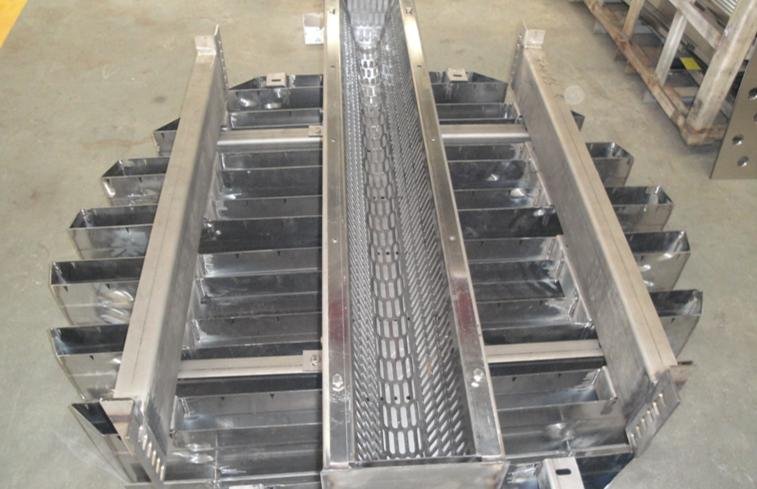
Having spent over 20 years designing and troubleshooting distillation columns, I've seen firsthand how tray selection impacts plant performance. Let me share the key factors you need to consider.
How Does Operating Flexibility Compare Between Valve and Sieve Trays?
Plant operators often face production rate changes but worry about maintaining separation efficiency1. This is where the difference between valve and sieve trays5 becomes critical.
Valve trays can handle flow variations much better, with a turndown ratio4 of 3:1 compared to sieve trays5' 2:1. This means you can reduce flow to 33% of design capacity while maintaining good performance.
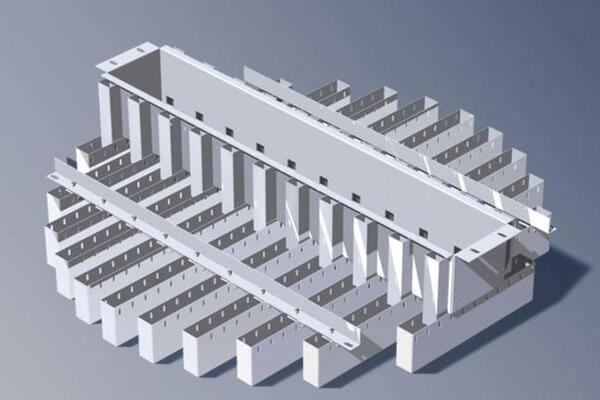
Operating Range Comparison
Let's dive deeper into the operating flexibility3 of both tray types:
Valve Trays
- Movable valves adjust automatically to vapor flow changes
- Maintains good vapor-liquid contact6 across wide operating range
- Less prone to weeping at low rates
- Higher turndown ratio4 (3:1)
- Better performance in vacuum operations
Sieve Trays
- Fixed hole design
- Optimal performance only near design capacity
- More susceptible to weeping at low rates
- Limited turndown ratio4 (2:1)
- May have issues in vacuum service
I remember a case where replacing sieve trays5 with valve trays2 in an ethylene dichloride column allowed the plant to reduce production rates during market downturns while maintaining product purity. This flexibility proved invaluable for their operation.
What About Separation Efficiency and Capacity?
Every project manager wants maximum separation efficiency1 while meeting capacity requirements. This consideration often leads to heated debates in design meetings.
Valve trays typically achieve 5-10% higher efficiency than sieve trays5 due to better vapor-liquid contact6 and reduced entrainment at high vapor rates.
Performance Analysis
Let's examine the key performance metrics:
| Parameter | Valve Tray | Sieve Tray |
|---|---|---|
| Efficiency (Murphree) | 75-85% | 70-80% |
| System Limit | 85-90% flood | 80-85% flood |
| Pressure Drop | Moderate | Lower |
| Entrainment | Lower | Higher at high rates |
| Fouling Tendency | Moderate | Lower |
The higher efficiency of valve trays2 comes from:
- Better vapor distribution across the tray
- Reduced channeling
- More consistent froth height
- Enhanced vapor-liquid contact6 time
However, this improved performance requires proper maintenance and occasional valve replacement, which should be factored into lifecycle cost7 calculations.
Are the Cost Differences Significant?
Cost often becomes the deciding factor in tray selection. This is especially true for large columns where tray costs can be substantial.
Sieve trays are typically 20-30% less expensive than valve trays2 due to their simpler construction and lower material requirements.
Cost Considerations
Breaking down the economics reveals several important factors:
Initial Costs
- Material costs (valve trays2 use more metal)
- Fabrication complexity
- Installation requirements
- Number of trays needed
Operating Costs
- Maintenance requirements
- Replacement frequency
- Energy consumption
- Production flexibility value
While sieve trays5 offer upfront savings, the total lifecycle cost7 comparison might favor valve trays2 in applications requiring frequent rate changes or higher separation efficiency1. I've seen cases where the higher initial investment in valve trays2 was recovered within months through improved separation and reduced energy costs.
Conclusion
Choose valve trays2 when operating flexibility3 and high efficiency are priorities, despite higher costs. Opt for sieve trays5 in stable operations where budget constraints are primary concerns.
Find out why achieving high separation efficiency is crucial for maximizing product purity and meeting capacity requirements. ↩
Explore how valve trays enhance operating flexibility and efficiency, crucial for adapting to production changes and maintaining product quality. ↩
Learn why operating flexibility is vital for handling production rate changes without compromising separation efficiency. ↩
Discover how turndown ratio affects a column's ability to maintain performance across varying flow rates. ↩
Understand the cost advantages of sieve trays, ideal for budget-conscious projects with stable operations and less need for flexibility. ↩
Explore the role of vapor-liquid contact in enhancing tray efficiency and overall column performance. ↩
Understand the importance of considering lifecycle costs, including maintenance and energy savings, in tray selection decisions. ↩